Valorant aim that stays calm in 2026 comes down to Rawzu's low cortisol setup
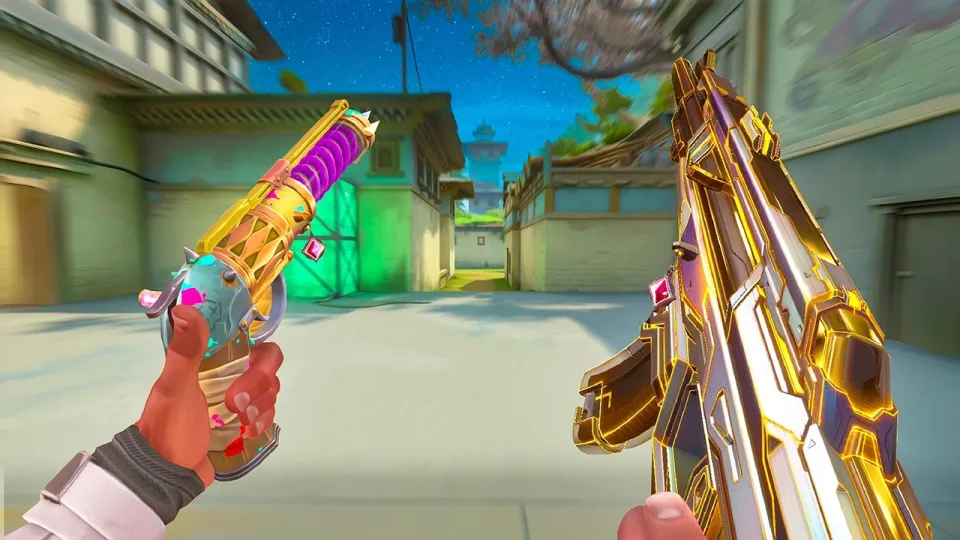
Video: low cortisol aim..
Want articles like this for your own video to promote it on YouTube and Google? Order them through the Telegram bot @sat_sit_bot. Articles with your video embedded are written and posted by the bot itself — on popular topical sites (no ads). Try it free: 50 articles on us.
· based on the channel Rawzu
Valorant aim that looks "low cortisol" is not a secret sensitivity or a hidden setting — it is a repeatable package of low eDPI, a stretched 1440x1080 resolution, disciplined crosshair placement and a duelist who can survive mistakes. Rawzu's calm-aim clips on Phoenix show the formula in practice: 400 DPI at 0.625 sensitivity, crosshair 1-6-2-2, a Logitech G Pro X Superlight 2 on an Artisan Zero Soft pad, and a 360Hz Zowie XL2566K. Before copying any of it, the channel points players to PC optimization through hone.gg, because frame stability matters more than raw numbers on paper.
What "low cortisol aim" actually means in Valorant
Low cortisol aim describes a shooting style where the player looks unhurried: the crosshair is already where the enemy will appear, flicks are short, and the mouse stops dead after every correction. In Valorant terms it is the opposite of panic spraying — it is pre-aim, counter-strafe and a single clean burst. Rawzu's clips lean on this because a calm player wins the same duels with less hand movement, which means fewer overshoots and more repeatable results across a ranked session.
The phrase borrows from health content about stress hormones, but in aim terms it maps to three measurable habits: a low sensitivity that keeps micro-corrections small, a crosshair that sits at head height on the next angle, and movement that stops before the shot instead of continuing through it. None of that requires talent — it requires a routine you can drill.
Rawzu's Valorant settings and gear, itemized
The setup behind the calm aim is documented by the channel itself, and every value is worth checking against your own config. Rawzu lists 400 DPI with 0.625 in-game sensitivity, which works out to 250 eDPI — noticeably lower than the 400–800 eDPI band most Valorant players settle in. Lower eDPI means bigger arm movements for the same turn, so wrist jitter matters less and the crosshair feels glued to head level.
- Sensitivity: 400 DPI / 0.625 in-game (250 eDPI).
- Resolution: 1440x1080, a stretched 4:3 ratio that widens enemy models on screen.
- Crosshair code: 1-6-2-2.
- Mouse: Logitech G Pro X Superlight 2.
- Mousepad: Artisan Zero Soft, a control-leaning cloth surface.
- Monitor: Zowie XL2566K at 360Hz.
The pad choice matters as much as the DPI. A control pad like the Artisan Zero Soft adds stopping friction, which is exactly what a low-sensitivity flick needs to end crisply instead of drifting past the head. The 360Hz panel does not make you calmer, but it removes the visual smear that pushes players into early, rushed shots.
How Phoenix supports a calm aim style
Phoenix is an offensive duelist built to hunt enemies while crippling their ability to fire back, and that kit buys the time a calm aimer needs. Blaze creates a wall that blocks vision and deals damage, letting Phoenix cross open ground that would otherwise be pre-aimed by three defenders. Curveball blinds enemies even when they are tucked behind corners, so the entry does not have to be a raw aim duel. Hot Hands adds area damage and self-healing, and Run It Back gives a second life, which lowers the cost of a bad first peek.
The practical loop is simple: wall to cut sightlines, flash around the corner, take one disciplined fight, then reset. Because Phoenix can heal and respawn on his ultimate, you can afford to hold your crosshair steady and wait half a second longer instead of panic-flicking. That patience is the actual "low cortisol" part — the agent forgives the timing, the settings keep the mouse still.
Why the clips look like another game
Viewers routinely joke that the gameplay resembles a different shooter entirely, and that reaction is a useful clue about what is happening on screen. When crosshair placement is correct, most kills look boring: the enemy walks into a line that was already drawn, and the shot is a small adjustment rather than a highlight flick. Clips cut together from those moments feel smooth and almost scripted, especially on a stretched 1440x1080 resolution where targets appear wider.
Movement is the other half. Several commenters single out the strafing rather than the aim, and they are right — counter-strafing to a full stop before the burst is what makes a low-sensitivity player look fast. If you copy 250 eDPI but keep moving while shooting, you will get the opposite result: wide swings, missed first bullets and a lot of noise.
Common questions from the comments, answered
Audience reactions to this kind of calm-aim edit cluster around a few recurring doubts, and they are worth addressing directly. The first is disbelief — some viewers assume the footage must be from another game or a different patch. The honest answer is that a clean pre-aim angle looks unnatural because most players never hold one; there is no trick beyond repetition in deathmatch and custom lobbies.
The second is about the audio and the general tone of the edit. Clips in this style lean on quiet, satisfying sound design, which is why people ask about volume and timestamps. That is an editing choice, not a gameplay advantage — do not read strategy into it.
The third is settings. Requests for a dedicated settings video keep appearing, and the values are already public: 400 DPI, 0.625, 1440x1080, crosshair 1-6-2-2. What a settings video would add is the reasoning — why 250 eDPI suits arm aimers, why a control pad beats a speed pad at that sensitivity, and why frame-time consistency matters more than peak FPS. If you are rebuilding your config, start with the optimization link Rawzu uses so the sensitivity test is not skewed by stutter.
A practical routine for calmer aim in Valorant
Calm aim is trainable in short daily blocks, and the order of the drills matters more than their length. Start with five minutes of static taps in the range at your real sensitivity, then ten minutes of deathmatch where the only goal is to stop moving before each shot. Track how often your first bullet lands rather than how many kills you get — the metric exposes panic faster than a scoreboard does.
Next, lock the setup variables for at least two weeks: same eDPI, same resolution, same pad. Changing sensitivity after a bad session is the most common way players destroy their own consistency, and it is the opposite of the low-stress approach. Finally, review one clip of your own per session and count the moments where your crosshair was already on the angle before the enemy appeared. That number climbing is the real signal that the style is working.
Useful links
- PC optimization for Valorant via hone.gg — the channel's recommended first step before tuning sensitivity.
- Rawzu's original music on Spotify — tracks used across the edits.
- Rawzu's Discord — community, clips and settings talk.
Final takeaway
Rawzu's calm-aim Phoenix footage works because every variable points the same direction: 250 eDPI, a control pad, a stretched 1440x1080 image, a 360Hz monitor and an agent who can heal and respawn. Copy the numbers, but copy the discipline first — stop before you shoot, hold the angle instead of flicking to it, and leave your sensitivity alone for two weeks. The channel "Rawzu" is worth following for the movement as much as the aim, since the strafing is what makes the low-sensitivity setup look effortless. Set up your PC with hone.gg/a/rawzu, then spend your first session in deathmatch counting stopped shots, not kills.
Key takeaways
- Rawzu runs 400 DPI at 0.625 in-game sensitivity — an effective eDPI of 250, roughly half the 400–800 range many Valorant players use.
- Crosshair is coded 1-6-2-2, resolution 1440x1080 (4:3 stretched), mouse Logitech G Pro X Superlight 2 on an Artisan Zero Soft pad.
- Monitor is a Zowie XL2566K at 360Hz, so the calm aim style is backed by high frame rate and low input latency.
- Phoenix is the featured duelist: Blaze walls block vision and deal damage, Curveball blinds around corners, Hot Hands and Run It Back add sustain.
- The channel's own PC-optimization link, hone.gg/a/rawzu, is pitched as the first step before copying any sensitivity.
Source: low cortisol aim.. · Markdown version
Questions & answers
What sensitivity does Rawzu use in Valorant?
Rawzu plays at 400 DPI with 0.625 in-game sensitivity, which equals 250 eDPI. That is well below the 400–800 eDPI range most players use, so it rewards arm movement and punishes wrist flicks. The crosshair code listed with the setup is 1-6-2-2.
Why does low-sensitivity aim look so smooth in these clips?
Because most kills are pre-aimed rather than flicked: the crosshair is already at head height when the enemy appears, so the correction is tiny. Add counter-strafing to a full stop before each burst and the footage looks almost rehearsed. The stretched 1440x1080 resolution also widens targets on screen.
Do I need a 360Hz monitor to aim like this?
No, but a high refresh rate removes the visual smear that pushes players into rushed shots. A 360Hz panel like the Zowie XL2566K helps most when your frame rate is stable enough to feed it. Prioritize consistent frame times over peak FPS before upgrading hardware.
Why is Phoenix a good pick for a calm, controlled playstyle?
Phoenix can block sightlines with Blaze, blind defenders around corners with Curveball, heal with Hot Hands and respawn through Run It Back. That forgiveness lets you hold an angle a moment longer instead of panic-peeking. The kit rewards patience rather than raw flick speed.